MĀUMAHARA MANE | Remembering Home

The places, people, moments and memories that take us back to Whangaroa — the things we remember, the things we miss, and the kōrero that reconnect us with home.

He hokinga mahara ki te kāinga.

Dick

HOKI KI TE WHENUA

Some people leave behind long speeches.

Others leave us a few words that, over time, seem to grow in meaning.

Read more..
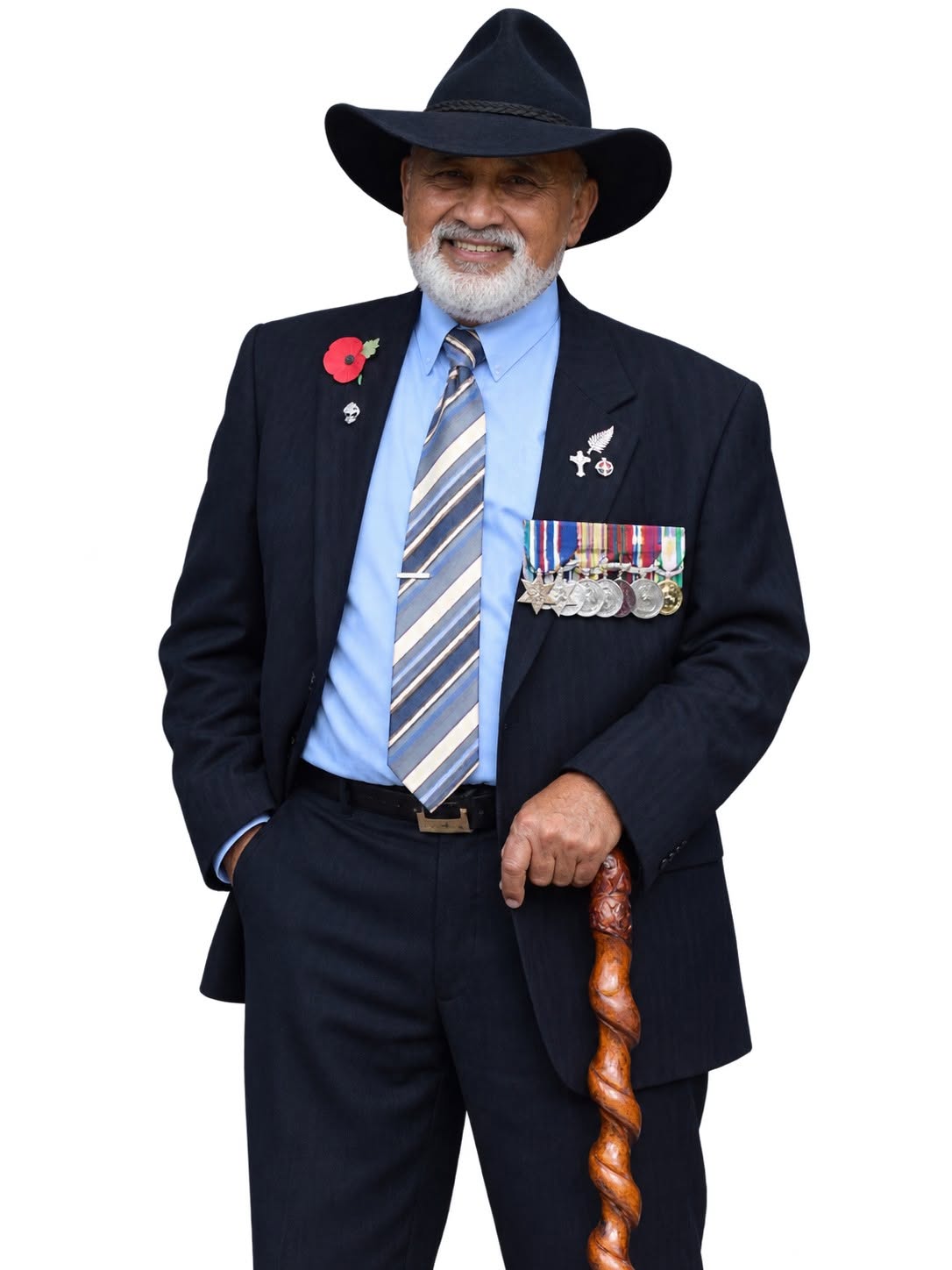
As Whangaroa remembers and farewells Rihari ‘Dick’ Dargaville, we return to words he placed on the record before the Waitangi Tribunal.

Before he spoke to grievance, he spoke to belonging.

Ko wai ahau te taha taku whaea ki Whangaroa.

Ko Ohakiri te Maunga.

Ko Whangaroa te Wahapū.

Rere ki Ririwha te Motu.

Hoki muri ki uta ko Whakaki te pā.

Titiro ki Whakarara.

Hoki ki te whenua Te Touwai ki Matangirau.

Ko Karangahape te Marae.

Ko Ngatikawau te Hapū.

In those few lines, Mātua Rihari brought his people and places with him — the whenua beneath him, the whakapapa behind him, and the hapū to which he belonged.

He went on to trace his descent through Tame Horo and Ngatau Tangiwai, carrying that whakapapa into the evidence and grievances he was helping place on record.

That evidence was part of a much longer contribution.

Through his work with Whangaroa Papa Hapū, Mātua Rihari was among the claimants and whānau who helped carry the history and grievances of Whangaroa through the years of research, hearings and hui.

It was one contribution among many, built over years and carried forward by many hands.

Sometimes only a few words are needed to leave the next generation somewhere to stand.

And beyond the words on the record was the man many of us knew — quietly steadfast, supportive, and present.

He did not need to dominate the room to make his position known. He simply kept turning up, standing alongside the kaupapa and, when needed, adding his voice.

And perhaps that is what his few words leave with us now.

Hoki ki te whenua.

A reminder of where we come from, what has been carried before us, and what we in turn carry forward.

Moe mai rā e Rihari.

Ko ngā tapuwae kua waiho mai, ka whāia tonutia.

Games 1200x900

THE GAMES WE PLAYED

Before screens, gaming consoles and phones, what did play look like in Whangaroa?

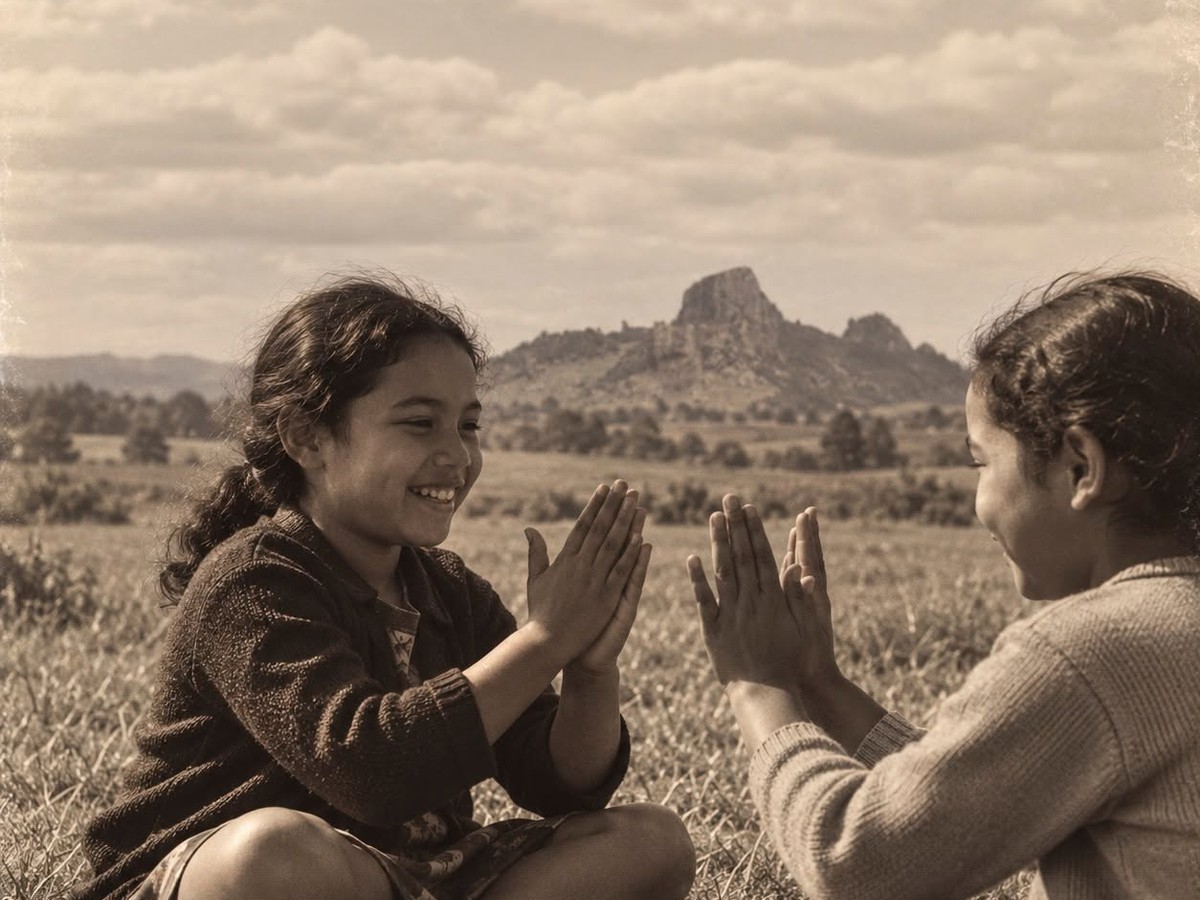
The *Oral and Traditional History Report for Te Rohe o Whangaroa* remembers childhoods filled with knucklebones, marbles, racing tops, rounders, rugby and basketball.

There were also hand games.


Read more…
One remembered in the report was kumate — played between brothers and sisters, whānau against whānau, and even when people came together at hui and gatherings.

And, of course, there was the mischief.

One person remembered hiding under the kūmara plants to get out of doing chores — and falling asleep there. Another remembered taking aim at the telephone cups on the power poles with a shanghai.

Different generation. Different kind of playground.

But perhaps what stands out is how little was needed.

A few mates or cousins, something you could turn into a game, and plenty of imagination.

Creek 1200x900

DID YOU HAVE A CREEK?

Did you have a creek?

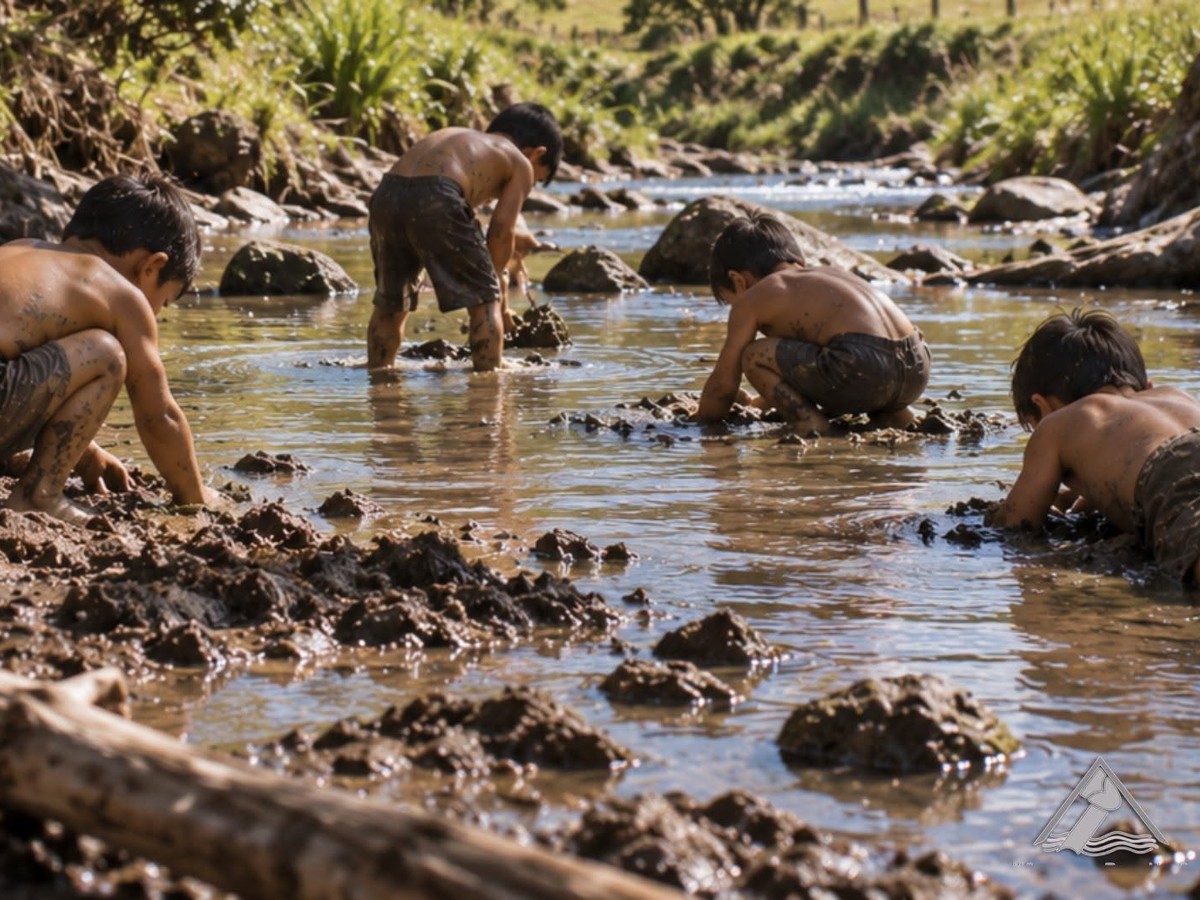
That place you disappeared to for hours, usually with a few cousins or mates, and came home wet, muddy and hopefully before anyone had started wondering where you were.

While reading through the Oral and Traditional History Report for Te Rohe o Whangaroa, we came across a memory from Tarzan Hori about growing up at Matangirau.

His description was plain and simple:

“…we lived in a creek.”

Read more…
He remembered the boys spending hours and hours in the mud pools, eventually emerging as “black dirty little Māori kids.”

But what really comes through in his kōrero is the freedom of that childhood.

There was no organised activity waiting for them.

No phone in a pocket.

No location being shared.

And certainly no message saying, “Where are you?”

You went outside.

You found your mates.

And somewhere along the way, you found an adventure.

Childhood looks a little different today.

Our tamariki have access to a world we could hardly have imagined — technology, entertainment and ways of connecting with each other without ever leaving the house.

But reading Tarzan’s memory makes you wonder whether there was something pretty special in having less to entertain you and more freedom to explore.

The creek became the playground.

A stick could become almost anything.

The mud didn’t need a purpose.

And perhaps one of the greatest skills was knowing exactly how late you could leave it before heading home.

For Tarzan, that place was the creek at Matangirau.

For others around Whangaroa it might have been a river, beach, swimming hole, paddock, bush track — or somewhere you probably weren’t supposed to be.

One little memory captured in a historical report…

and suddenly a whole generation might be remembering their own.

Reo 1200x900

NGĀ REO O WHANGAROA

Some voices never stop speaking.

Some stories are never written down.

They are carried.

Around kitchen tables.

On long car rides.

Walking to the beach.

Working in the māra.

Sitting quietly beside Nanny or Koro until someone begins…

Read more…
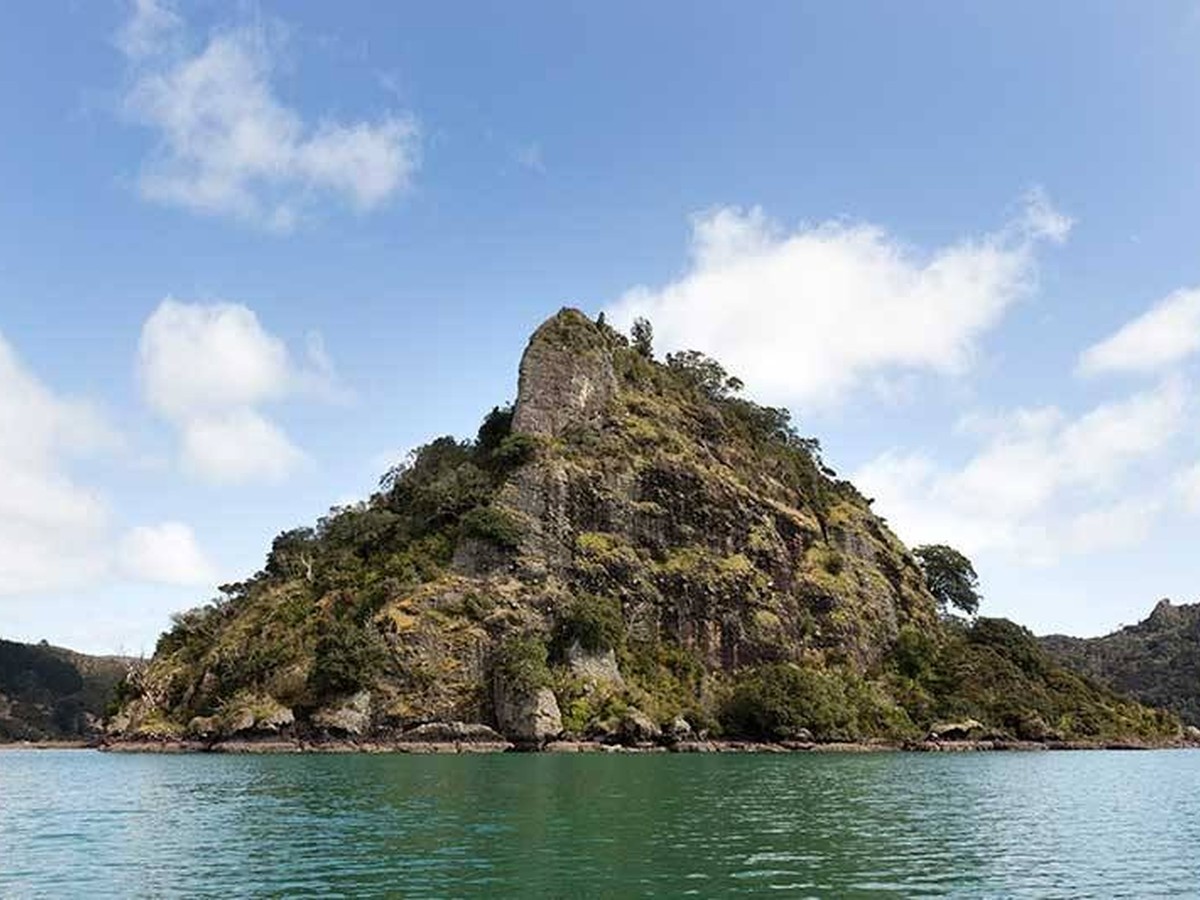
“Do you remember…”

And with those three words, a whole world comes alive.

A place.

A name.

A laugh.

A lesson.

A whakapapa connection that suddenly makes sense.

That is how our history has travelled through Whangaroa for generations.

Not because it was locked away in books.

Because our people carried it.

When the Oral and Traditional History Report for Te Rohe o Whangaroa was prepared, it wasn’t simply researchers recording history. It became what it is because Whangaroa people opened their homes, shared photographs, maps, whakapapa and memories, and generously gave their time so these stories would continue beyond their own lifetime. The report itself acknowledges that many hands, many minds and many voices brought it together.

Among those voices is Pereme Porter, who reminds us that Māori culture is, at its heart, a culture of relationships. Knowing your whakapapa was never just about remembering names—it was about knowing who you were, where you belonged, and how every generation was connected to the next.

Then there is Toka Williams, whose memories are not of famous events, but of everyday life. He recalled helping his grandfather rebuild after a flood, cutting timber from logs washed downstream, and watching him row from Te Ngāere to Whangaroa to collect timber from Lane’s Mill before towing it home on the tide. It is a story of resourcefulness, determination and doing what needed to be done for whānau.

Two different memories.

One reminds us who we belong to.

The other reminds us how our people endured.

Together, they remind us that Whangaroa wasn’t shaped only by the moments recorded in history books.

It was shaped by ordinary people whose stories, values and quiet acts of love became our inheritance.

Perhaps that’s something worth remembering.

Our stories don’t survive because they’re important.

They survive because someone chooses to tell them.

And someone else chooses to listen.

One day, our tamariki and mokopuna won’t remember us for the things we owned.

They’ll remember the stories we took the time to share.

Map 1200x900

BEFORE THE MAP RENAMED HOME

You can grow up knowing a place your whole life…

and still discover that you didn’t know its name.

Red Island. Kingfish Point. The Haystack. Milford Island.

Names many of us around Whangaroa will recognise.

They appear on maps, they are used when giving directions, and for some of us they are simply the names we have always known.

But they weren’t the first names held by these places.

Read more…
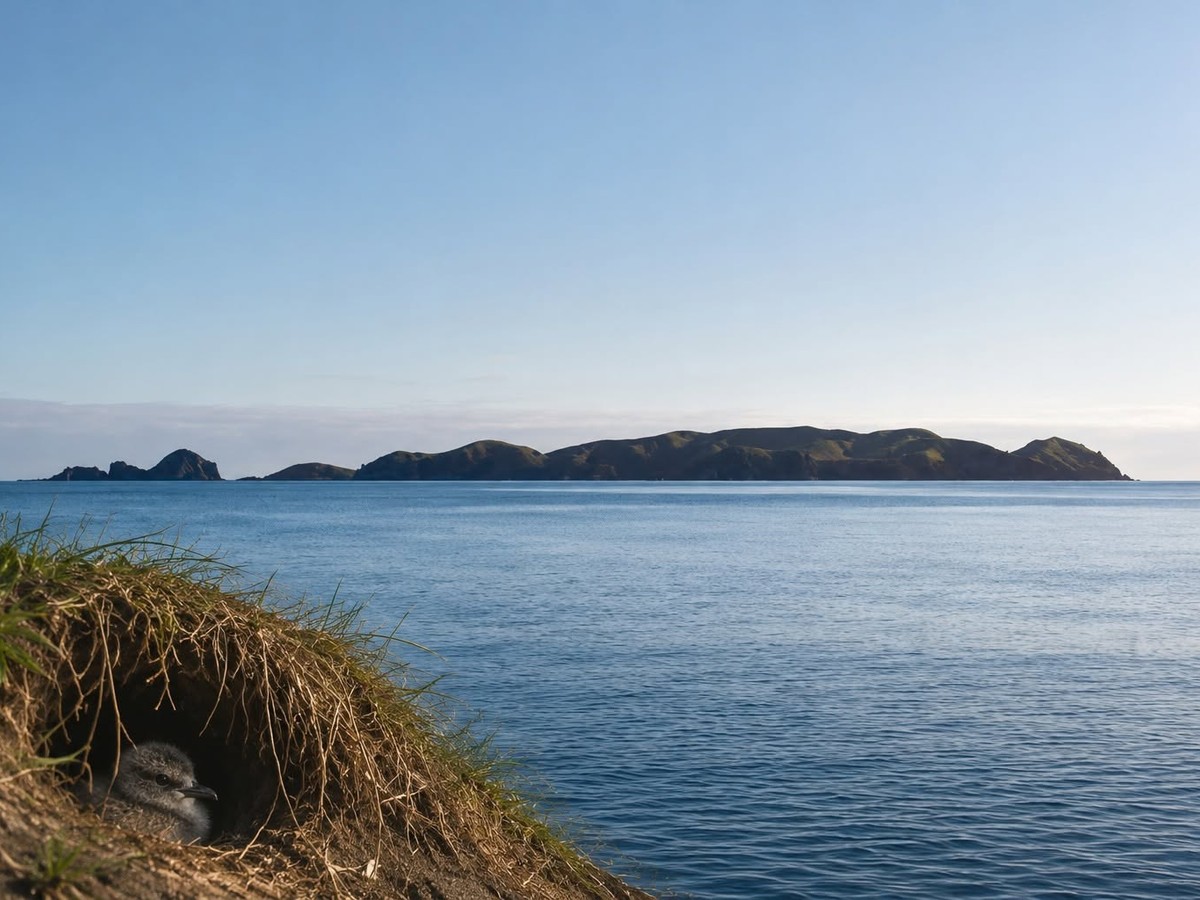
Within the Oral and Traditional History Report for Te Rohe o Whangaroa we find another layer of our landscape:

Motuwai — Red Island, just off the Totara wharf.

Oheia — Kingfish Point.

Takahi — the place many know as “the Haystack”.

Tarahurunui — another name recorded for Milford/Jones Island.

These aren’t simply old names being recovered from a page.

They remind us that our tūpuna had an extraordinarily detailed knowledge of Whangaroa.

The report describes an “intimacy of naming and knowing every detail of the landscape” — where places, their names and the kōrero attached to them supported and reinforced one another.

A name could tell you something about a place.

It could hold an event.

A person.

A resource.

A boundary.

A warning.

A memory.

And sometimes, generations later, the place is still right there in front of us — while the name that once belonged to it has become less familiar.

That’s what makes coming across names like Motuwai, Oheia, Takahi and Tarahurunui in the old kōrero so interesting.

The place was never lost.

Perhaps some of its name was.

And once we begin putting those names back alongside the places we know today, we start seeing our familiar Whangaroa landscape a little differently.

Stephenson 1200x900

WHEN THE MAUNGA TOLD YOU TO STAY

There are some things you learn from a book.

And there are some things you learn by growing up at home.

You learn the tides.

You learn what the wind is doing.

You notice the clouds gathering over the hills.

And sometimes, without really thinking about it, you know what the weather is going to do next.

Our tūpuna knew those signs intimately.

Read more…
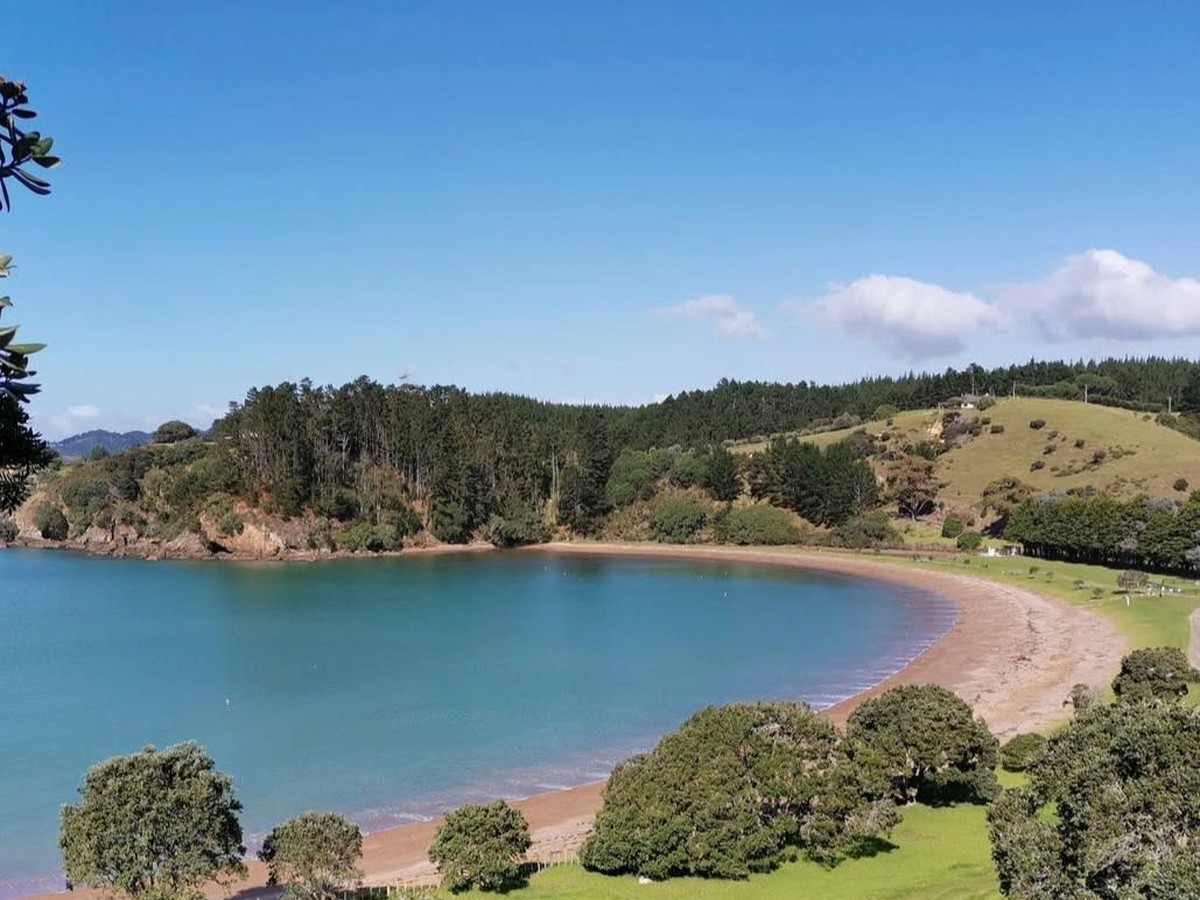
The Oral and Traditional History Report for Te Rohe o Whangaroa records memories of Whangaroa whānau travelling out to Ririwha for mutton-birding.

It wasn’t an easy trip.
In the days of waka travel, the journey between Te Ngāere and Ririwha could take more than two and a half hours, so knowing when it was safe to leave mattered.
One piece of knowledge recorded in the report came from Ruiha Collier:
“If you can’t see Maungataniwha, then you don’t leave the island.”
Such a simple sentence.
But think about what sits behind it.
Generations of watching.
Learning.
Knowing the moana well enough to recognise what the maunga was telling you about the weather.
If Maungataniwha could be seen from Ririwha, the weather was expected to hold long enough to make the journey back to the mainland.
No weather app.
No marine forecast in your pocket.

The whenua, the moana and the maunga were the signs.

And our people knew how to read them.

Perhaps some of that knowledge still sits quietly within our whānau today — the uncle who knows when not to take the boat out, the aunty who reads the tide, or something Koro once told you about the wind that you’ve never forgotten.

That’s another reason these reports matter.

Tucked amongst the bigger histories are little pieces of Whangaroa knowledge like this — knowledge that once helped our people live safely within this environment.

And when we read it today, perhaps we recognise something of home that has been there all along.

Mahine

THE PLACES THAT HELD OUR KŌRERO

Te Ngāere.

Te Touwai.

Motueka — Flat Island.

Mahinepua.

For many of us, these names need no introduction.

Read more…
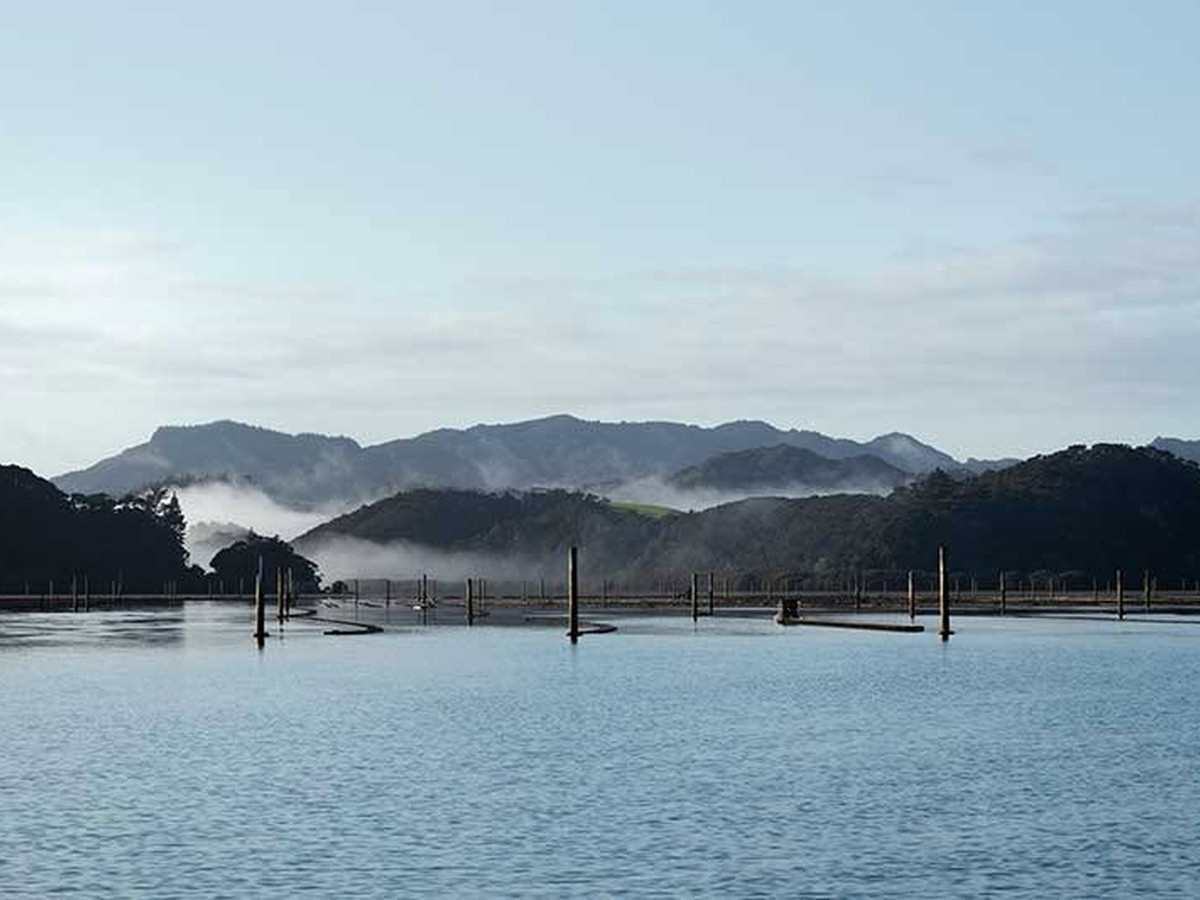
They are swimming spots, fishing grounds, roads travelled to visit whānau, places where summers were spent and memories were made.

But how many of us knew they were also places where our rangatira gathered?

In He Whakaputanga me te Tiriti – The Declaration and the Treaty, the Waitangi Tribunal records evidence of gatherings of rangatira across Te Raki from the early nineteenth century and earlier.

Among the places specifically named in Whangaroa are Te Ngāere, Te Touwai, Motueka and Mahinepua.

The wider evidence considered by the Tribunal tells us these gatherings were not without purpose.

Rangatira came together to kōrero about matters affecting their people — including trade, land and resources, tikanga, relationships and the changes occurring around them.

Pause there for a moment.

Imagine Te Ngāere without the houses and roads we know today.

Imagine looking across to Motueka.

Our tūpuna were gathering within these landscapes, considering the affairs of their people and the future before them.

Before He Whakaputanga in 1835.

Before Te Tiriti in 1840.

There was already leadership.

There was already discussion.

There was already decision-making.

And some of it was happening right here at home.

Perhaps that is what makes reports such as Te Paparahi o Te Raki so valuable to us.

They can take a name we’ve heard all our lives and reveal another layer of its story.

The next time you pass Te Ngāere, look out toward Motueka, or find yourself at Mahinepua, you might see that familiar landscape just a little differently.

We aren’t only looking at home.

We’re looking at places that held the kōrero of those who came before us.

Oysters 1200x900

TE TOUWAI BAY

Every generation inherits the same landscape.

Yet no two generations ever see it quite the same way.

How many places have we driven past…

walked along…

fished from…

or admired…

without ever knowing the stories they hold?

Read more…
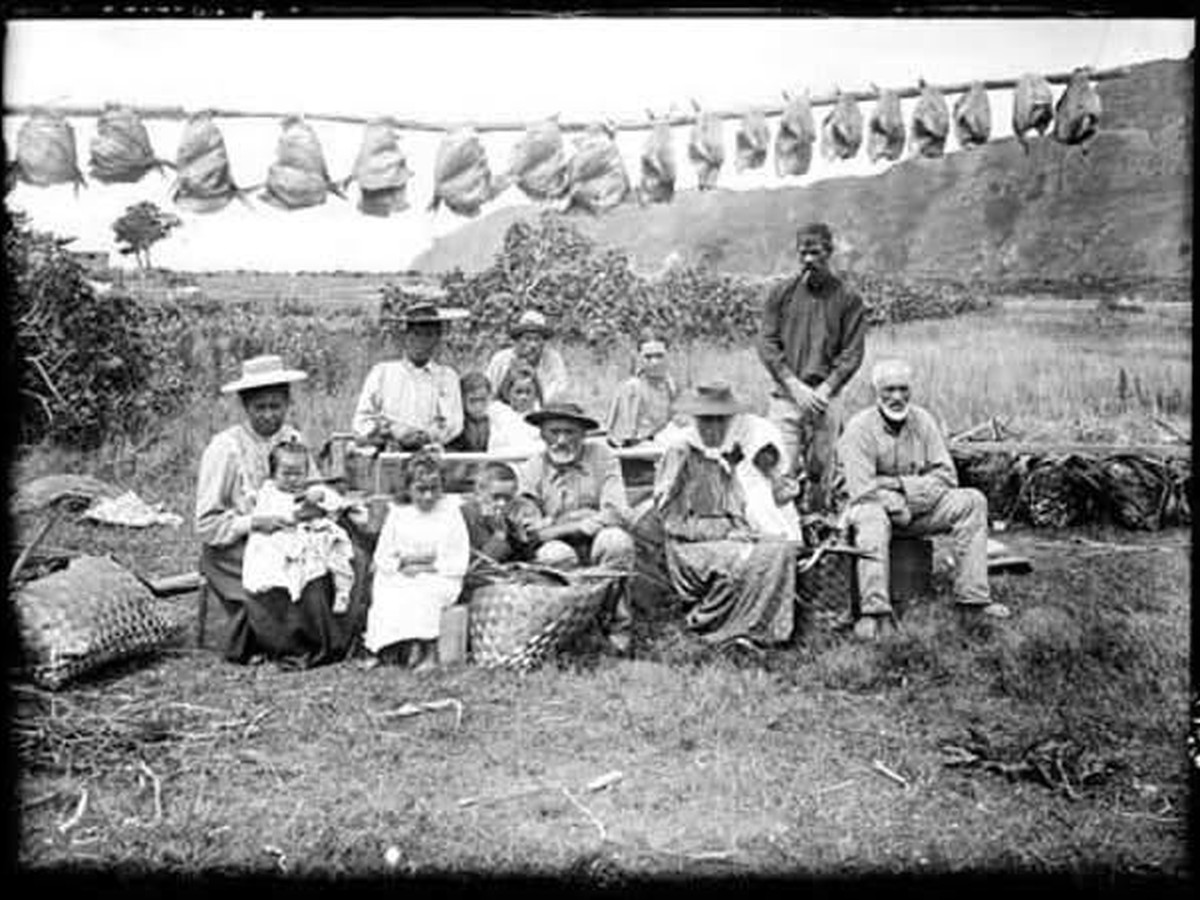
The quiet waters of Te Touwai Bay give little hint of the generations who came before us.

Yet within the Stage One Te Paparahi o Te Raki Report, Te Touwai is remembered in oral tradition as a place where rangatira gathered. The report records evidence describing 27 poupou where visiting rangatira could moor their waka before coming together in kōrero. Nearby, places such as Te Ngaere and Motueka also feature in these traditions, reminding us that our landscape was never simply scenery—it was woven into leadership, relationships and the life of our people.

That is where the Te Paparahi o Te Raki Report invites us to begin.

Not with an event.

Not with a date.

But with our own places.

It begins by introducing the richness of the world our tūpuna had already built—a world grounded in whakapapa, tikanga, mana, rangatiratanga, and the enduring relationships between people, place and one another. Understanding that world helps us better appreciate everything that follows.

Perhaps that is the report’s greatest gift.

It encourages us to look again at places we thought we knew.

To see beyond the landscape.

To discover the stories that have always been there.

Over the coming weeks, our Maumahara journey will follow some of the footsteps of the Te Paparahi o Te Raki Report, exploring the people, places and stories that have shaped Whangaroa.

Because sometimes, the greatest journey home begins with seeing familiar places through new eyes.

Mane Taupo 1200x900

SHARING A WAY OF LIFE

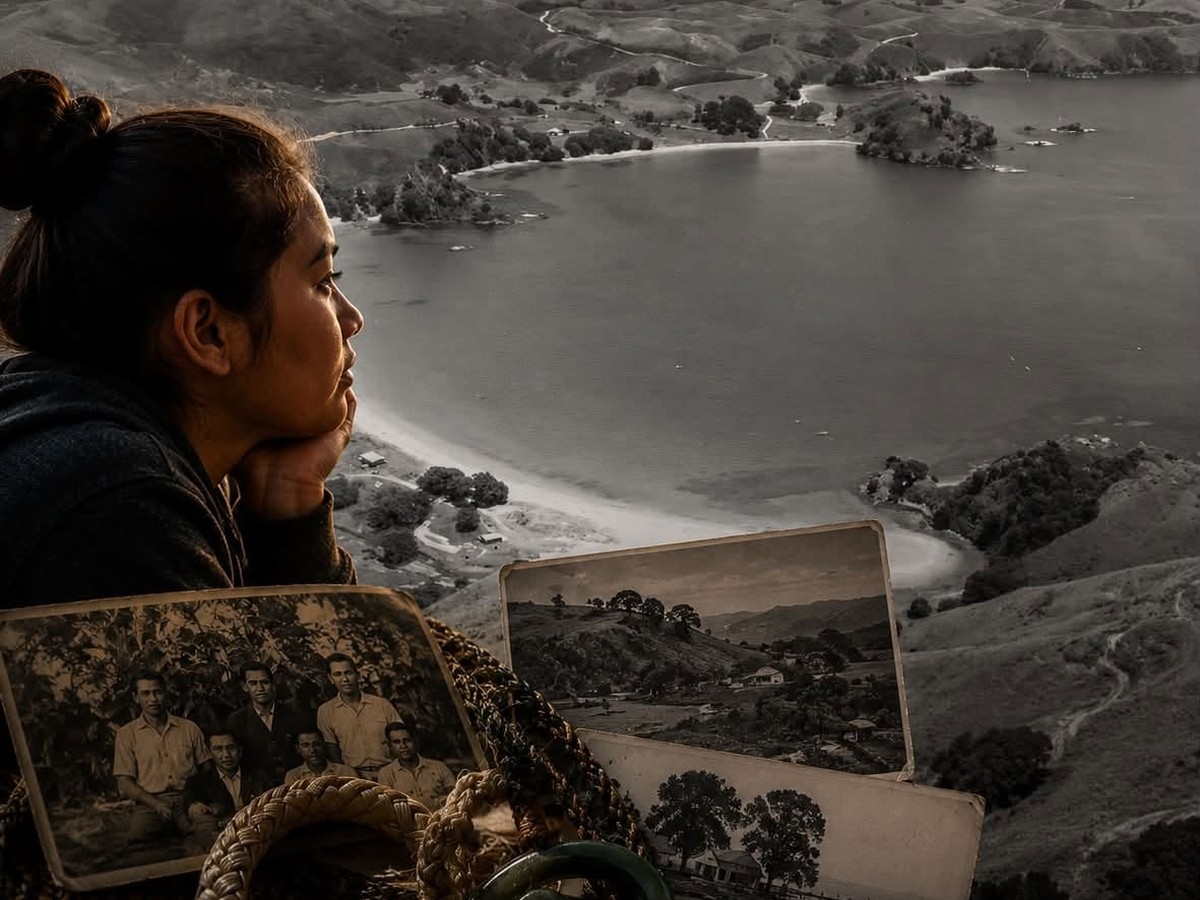
Look at an old photo of Whangaroa whānau and sometimes you wonder about the life beyond the edges of the picture.

Who lived just up the road?

Whose house did everyone gather at?

Who were the aunties, uncles and nannies who seemed to know what everyone was up to?

Do you remember the gardens? The fruit trees heavy with plums? Someone arriving with a bag of kai, fish being dropped off, or seeds passed from one whānau to another?

Read more…
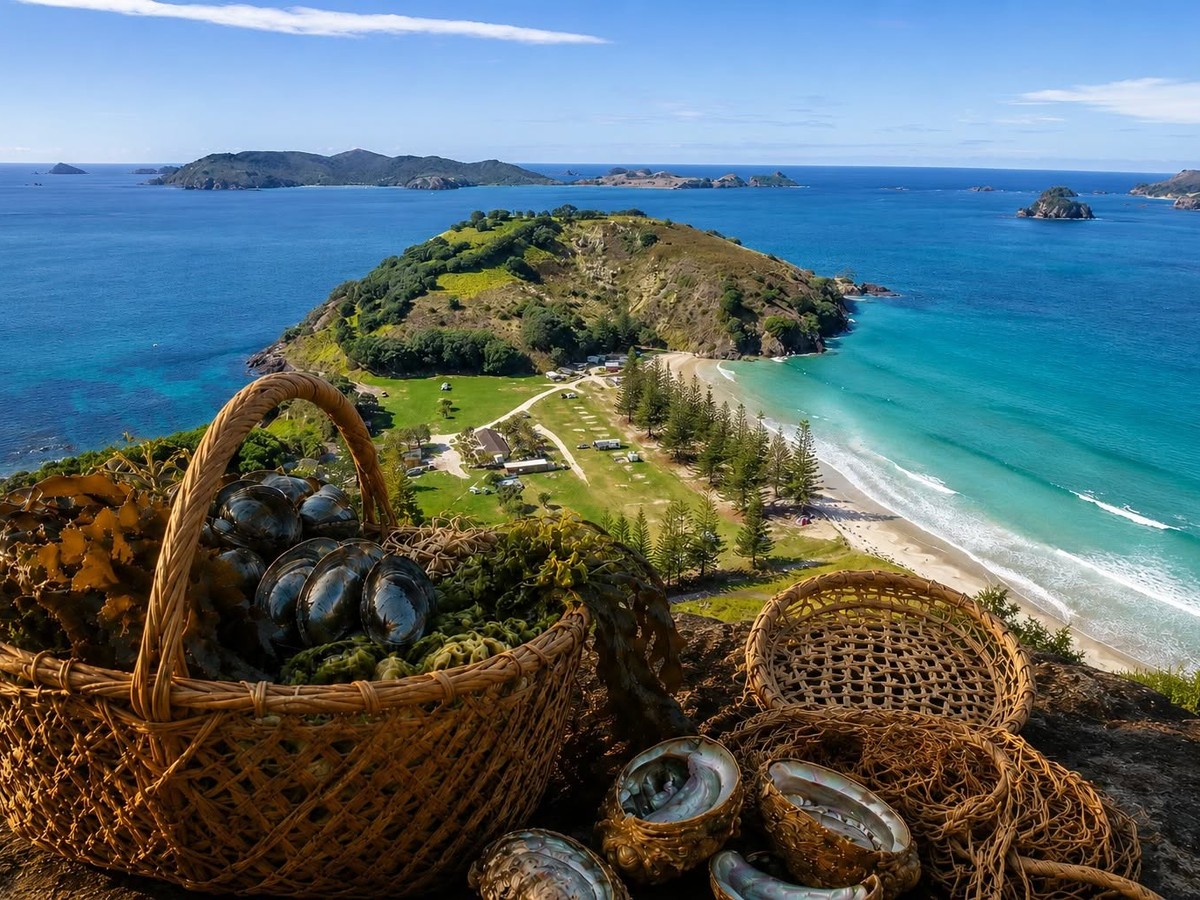
You didn’t always have to ask.


Somehow, things just seemed to find their way around.


The Oral and Traditional History Report for Te Rohe o Whangaroa speaks of gardens and orchards, kūmara, peruperu, kamokamo, kānga and riwai being grown. Of seeds being shared. Of apples, oranges, plums, lemons, grapefruit, pears and peaches.

There was so much fruit that one memory recorded simply says:

“Everybody came when the plums were ready because there was so much of it.”

But perhaps the story is about more than the kai.

Knowledge was learned by watching and doing. Whānau worked alongside one another. Children grew up surrounded by generations. Everyday life was lived in connection with the whenua, the moana and the people around you.

As Mae Hona remembered:

“Everything was shared around.”

Four simple words.

But perhaps they carry an entire way of life.

A way of living.

A way of learning.

A way of looking after one another.

The years have moved on. Many of our whānau now live across Aotearoa and around the world.

But look at an old photo long enough and sometimes the distance between then and now doesn’t feel so great.

We remember the houses. The gardens. The people who always seemed to have a full table. The aunties, uncles, nannies and koroua who shaped the places we still call home.

And perhaps, when we remember the way things were shared around, we remember the people too.

Matauri 2 1200x900

REMEMBERING MATAURI

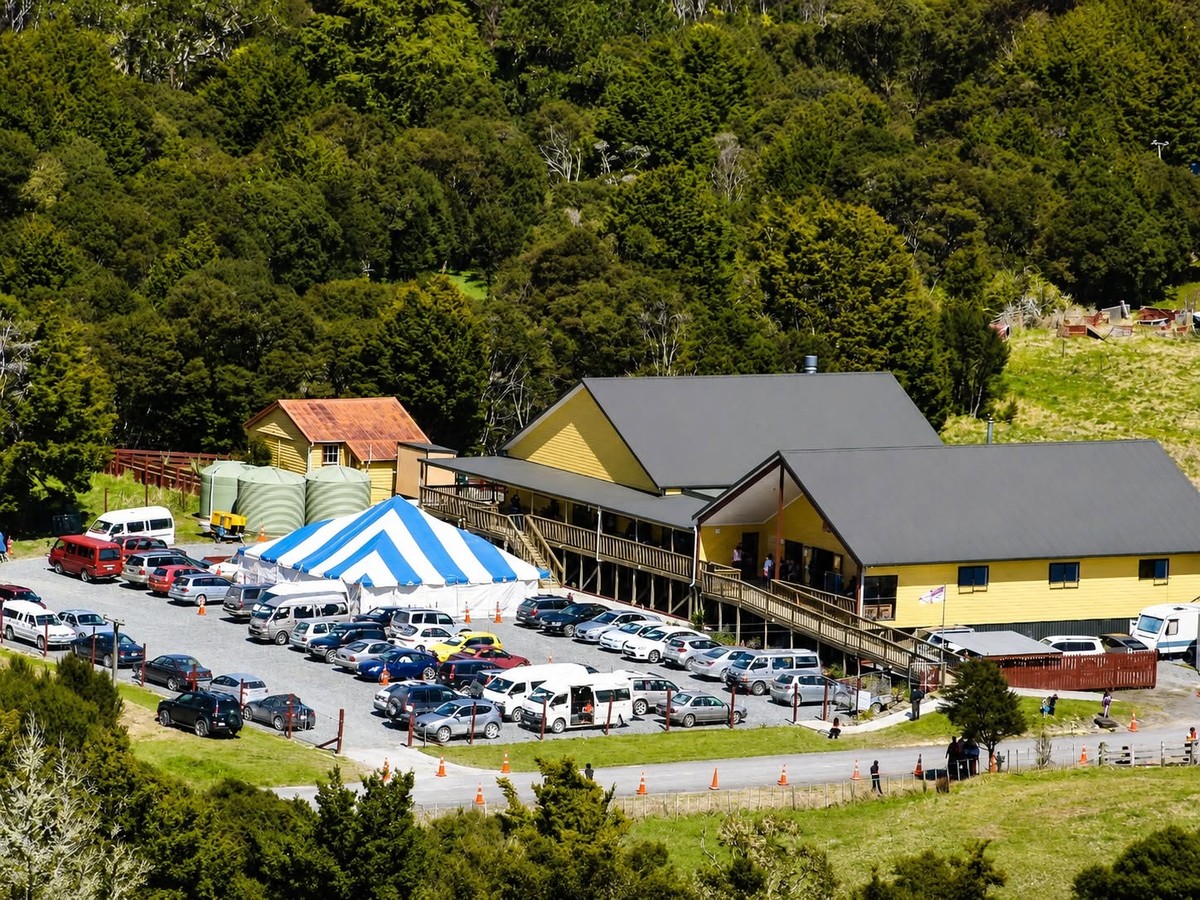
In March 2015, claimants and kaumātua of Matauri hosted Waitangi Tribunal researcher Anthony Patete for a special two-day visit to the whenua and moana of Matauri.

The visit began at Te Tāpui Marae, where kaumātua and whānau shared their understanding of Matauri—not simply as one piece of land, but as the whenua, the coastline, Motukawanui and the surrounding islands, stretching inland to Whakarara.

As Whaea Mere Apiata explained:

Read more…
As Whaea Mere Apiata explained:
“The sea, the islands and the mainland are all one.”

Whānau recalled childhoods spent on the whenua and along the coast, gathering the fruits of Tangaroa and living according to knowledge passed down through generations.

They also spoke of loss.

With the loss of land came the loss of people, as many whānau were forced to leave Matauri and never returned. Stories were shared of hardship, fear, land alienation and the heavy burden of local authority rates. Some whānau worked several jobs and organised fundraising efforts simply to protect their whenua from being taken.

Kōrero was also shared about the Native Land Court, the Papatupu Committee, the Māori Land Board and the decisions that separated people from their customary lands. Whānau described feeling excluded from decisions made by government agencies and local authorities about whenua their tūpuna had known intimately for centuries.

The mamae remained deeply felt.

On the second day, the rōpū travelled by boat from Putataua along the coastline and across to Motukawanui. Along the way, ancient and more recent kōrero was shared about the relationships between the mainland, the islands, the moana and the people.

Reefs, fishing grounds and places of significance were identified. Whānau spoke of customary fishing rights, the impact of quota systems, changes to the environment and the decline of kaimoana and other tamariki of Tangaroa.

As Whaea Iwa Alker said:
“Who knew better than us? We never took more than we needed, but sometimes, especially for big hui, you need more.”

This visit was more than a research exercise. It was an opportunity for the people of Matauri to place their histories, experiences and aspirations firmly on the record.

Today, we remember those who shared their kōrero, those who carried the mamae, and those who continued to stand for the whenua and moana of Matauri.

He mihi nui ki a Millie Takimoana, Sue Vea, Iwa Alker, Audrey Leslie, Emily Cressell, Kawe Rapata, Hemirua Rapata, Dover Samuels, Ruiha Collier, Popi Tahere, Harata Toms, Toka William and Waiunupō Komene.

A special mihi to Te Tāpui Marae for the manaakitanga extended to the rōpū.

Kia maumahara tonu tātou ki ngā kōrero, ki te whenua, ki te moana, me ngā tāngata o Matauri.

Otangaroa 1200x900

WHANGAROA, WHAKANUIA

Today we look back to September 2014, when Whangaroa hosted a powerful and historic Waitangi Tribunal hearing week at Otangaroa Marae.

After months of preparation, hui, and kōrero, our people gathered to welcome Ngāpuhi, the Waitangi Tribunal, Crown representatives, kaumātua, kaikōrero, whānau, and hapū from across Te Tai Tokerau.

The week carried the voices of many — kōrero on whakapapa, whenua, education, te reo me ōna tikanga, wāhine mana whenua, waterways, kaitiakitanga, employment, urbanisation, land loss, local government, rates, and the ongoing impacts on our people.

Read more..
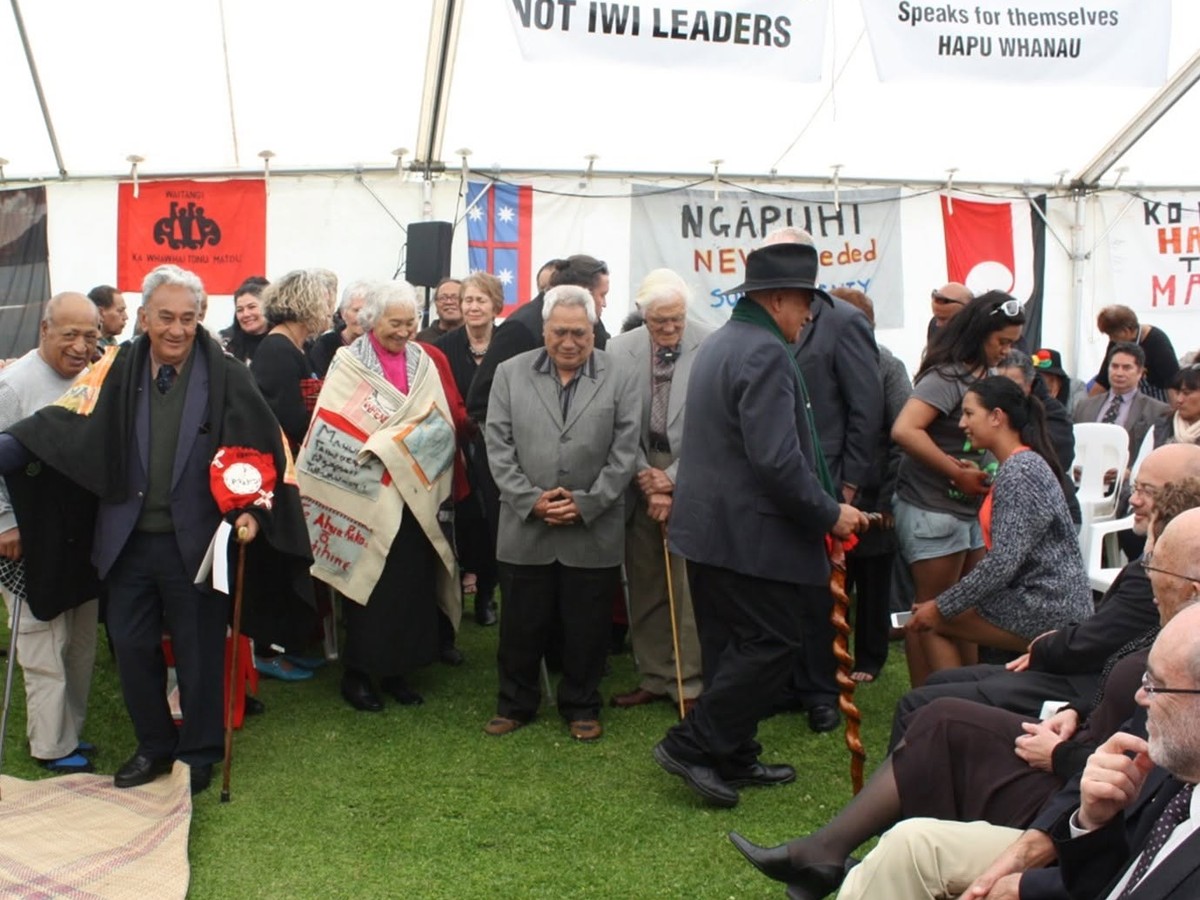
It was a week of remembering, speaking, challenging, and standing in the mana of Whangaroa.

We acknowledge all who prepared, presented, hosted, cooked, cleaned, supported, travelled, listened, and carried the kaupapa. Special mihi were given at the time to Otangaroa Marae, Mangaiti Marae, Te Patunga Marae, Wainui Marae, Waihapa Marae, Te Tangata Marae, Te Rūnanga o Whaingaroa, Kaeo Primary School, Whangaroa College, ngā kaumātua katoa o Whangaroa, and many others who helped make the week possible.

As we remember that hearing week, we also remember the Tribunal statement shared at that time:

“Ngāpuhi did not cede their sovereignty.”

He kaupapa nui tēnei. He maumahara nui tēnei.

May we continue to honour the voices, the mahi, and the courage of those who carried these kōrero for Whangaroa.

Kia rangona ngā kōrero, kia rongo te manaaki, kia ngātahi te mahi.

People 1200x900

REMEMBERING THE JOURNEY

Today we recognise a significant moment in the journey of Whangaroa.

This is not just about documents, reports, or Tribunal processes. It is about the voices of our tūpuna, our kaumātua, our whānau, and our hapū who have carried kōrero, memory, responsibility, and aroha for generations.

The Wai 1040 journey reminds us that Whangaroa has always held its own identity, its own histories, its own tikanga, and its own mana. Our people have continued to speak, to remember, to challenge, and to protect what has been handed down.

Read more…

We acknowledge that these kōrero can sit close to the heart. They carry strength, but also mamae. They speak of whenua, moana, customary life, rangatiratanga, and the impacts of decisions made without the full voice of our people.

At this time, we honour those who contributed their knowledge, their memories, their labour, and their courage. We remember those who are no longer with us, whose voices and efforts continue to guide the kaupapa today.

This is a moment to remember, to reflect, and to continue carefully — with respect for each other, with care for our people, and with commitment to the future of Whangaroa.